A different view (Paris)

Preparation shifted increasingly toward the contemporary. But can a visit to Paris be complete without Belle Époque?
It’s time for Paris again. Thanks to the new direct train from Berlin, I can use the journey to refine my wishlist. The planning already sparked the idea to focus this time on modern architecture and the outer areas within the city’s ring.
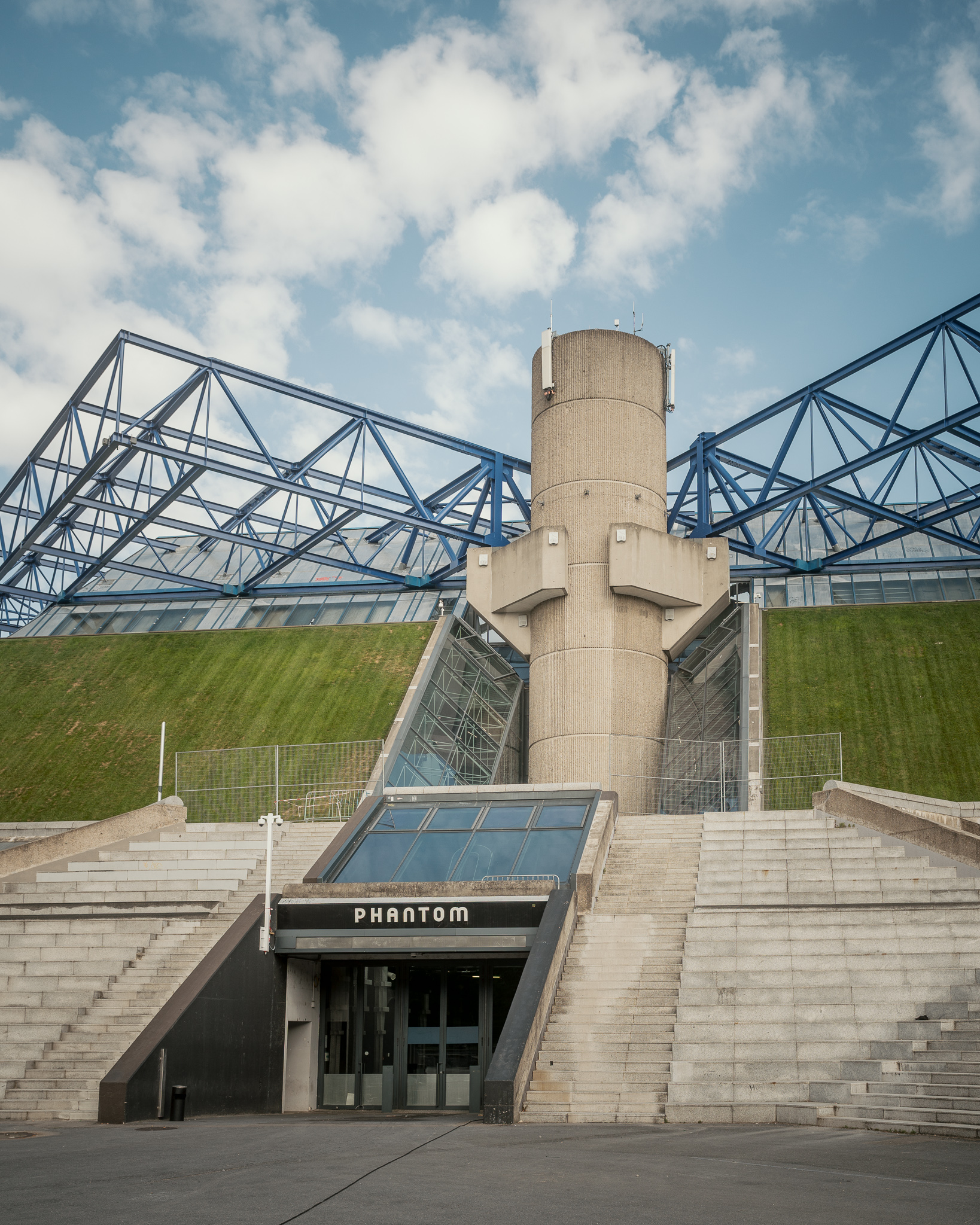
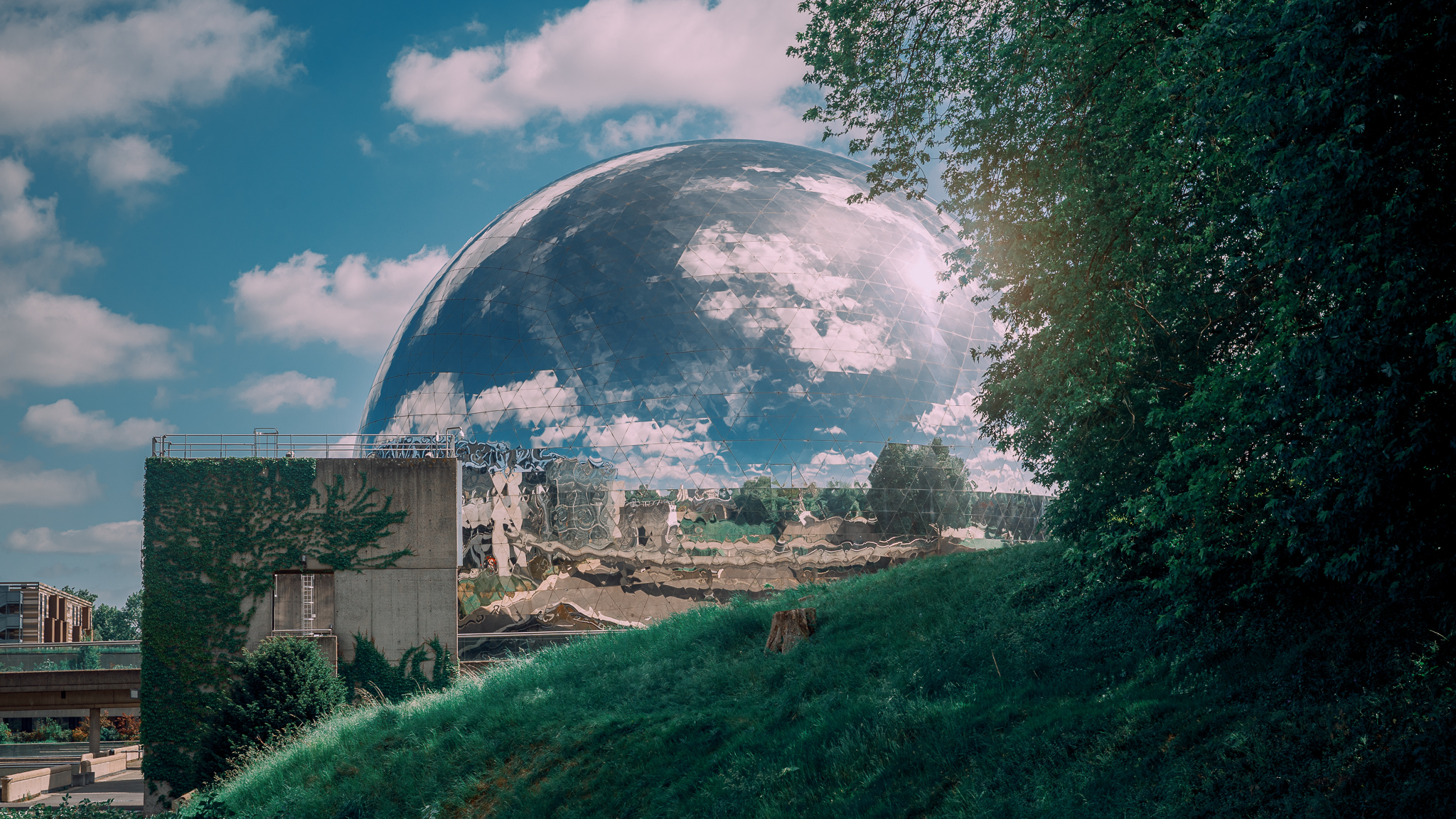
In the northeast I visited La Villette park, developed since the 1980s on the site of a former slaughterhouse and strongly dedicated to music and contemporary architecture. Early buildings include the well‑known concert hall Le Zénith and the spherical cinema La Géode in front of the science museum.
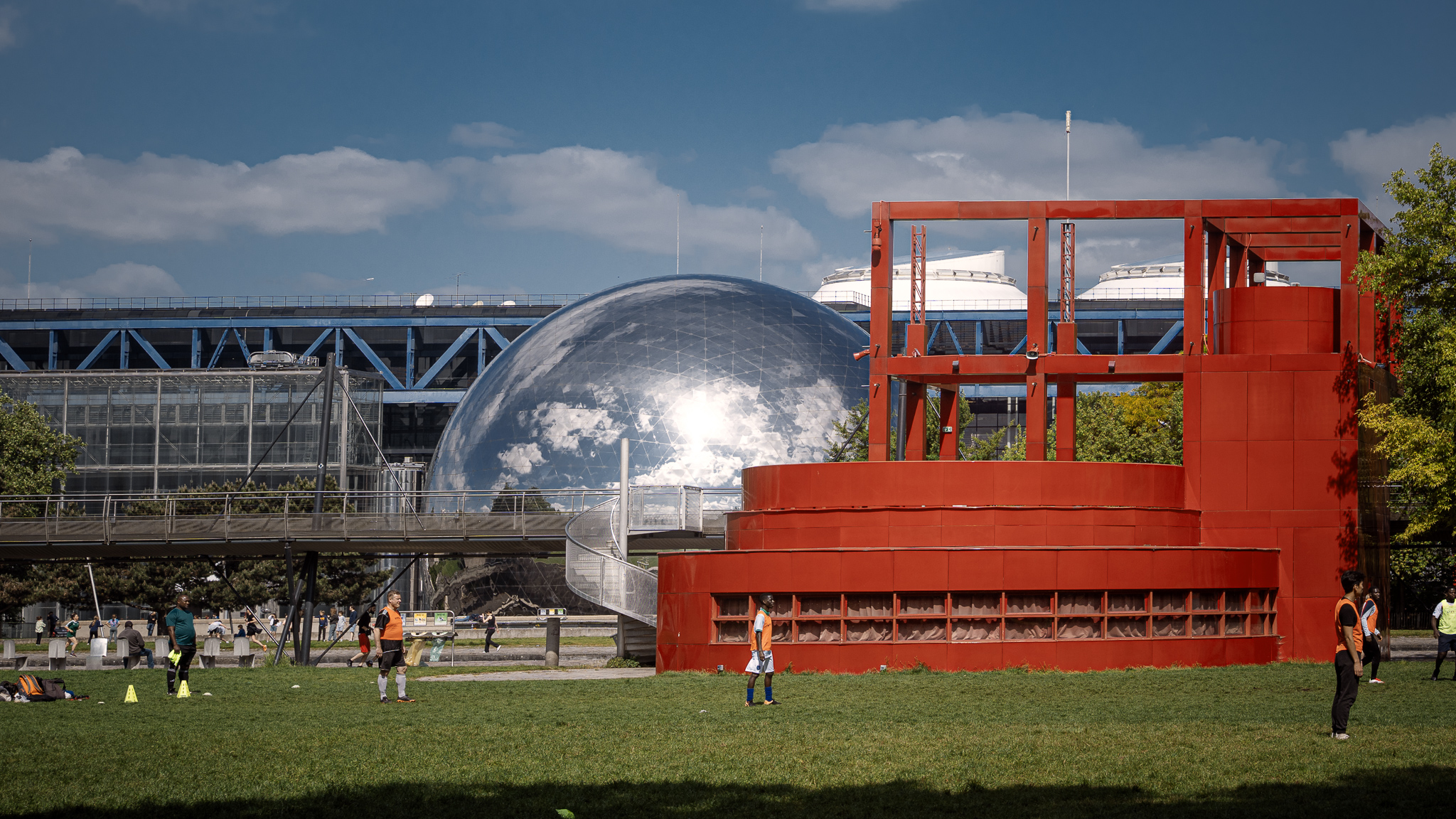
The park follows a deconstructivist master plan by Bernard Tschumi, realized in stages during the 1980s and 1990s. Striking are the 26 small red follies distributed across the site in a deliberate pattern.
Beside the Cité de la Musique I visited the Philharmonie de Paris, Jean Nouvel’s later project, opened in 2015. The building resists clear lines and proved a rewarding challenge photographically.
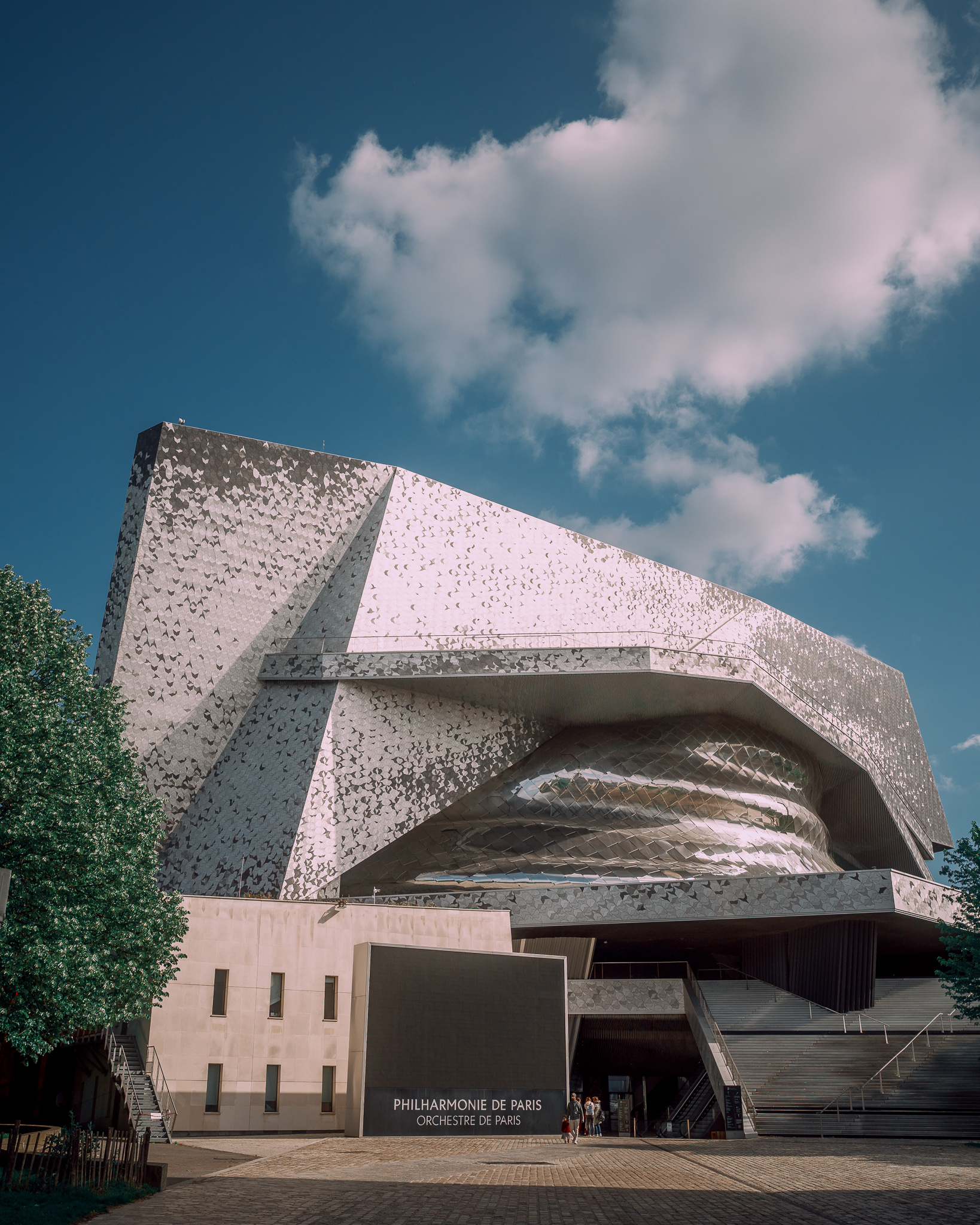
La Villette offers plenty of space to relax and explore; I’ll certainly spend more time here on future visits.
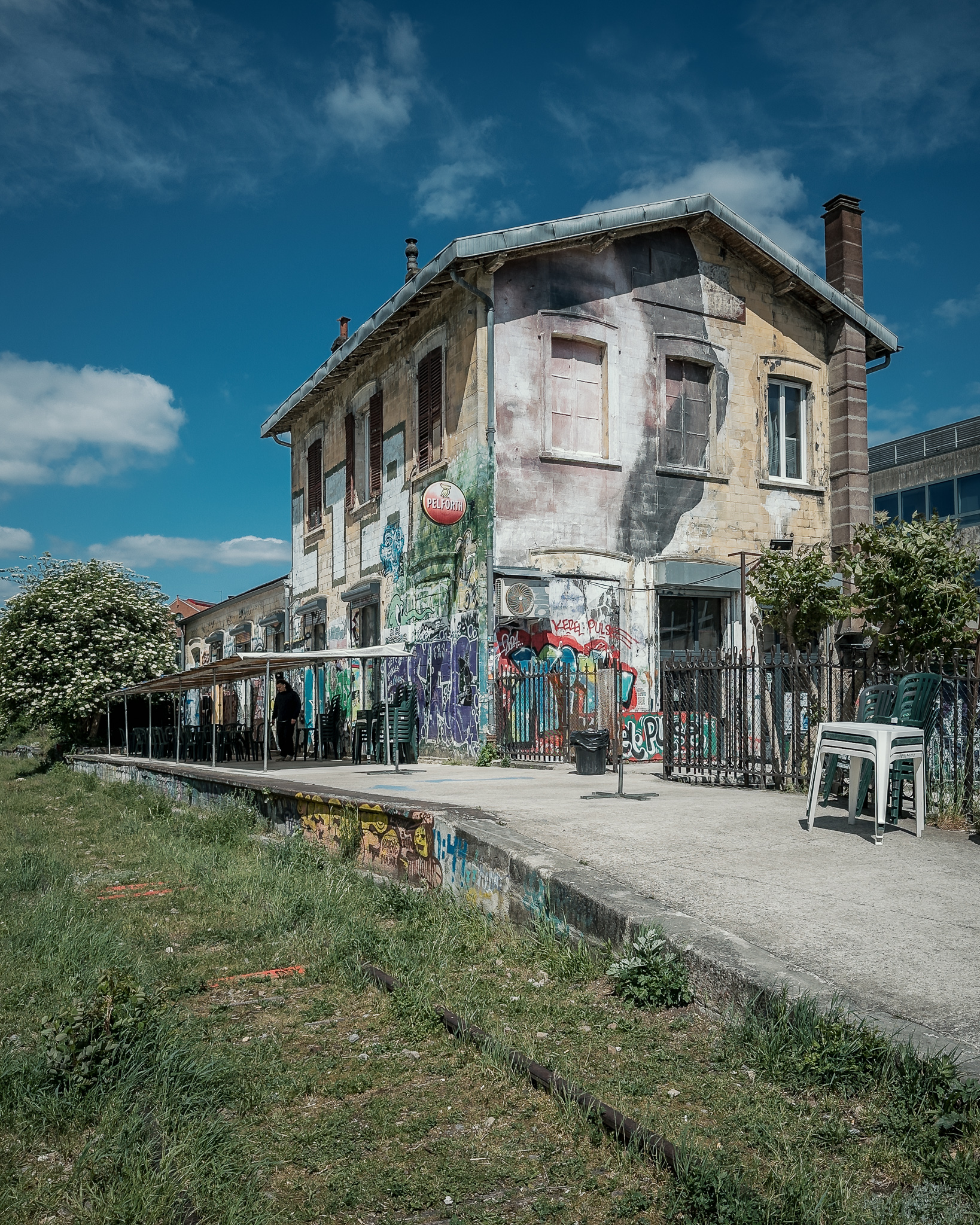
Nearby I stepped onto a walkable section of the Petite Ceinture, the former ring railway that enclosed Paris until the 1960s. Many stretches have been transformed into walking paths, alternative clubs and restaurants.
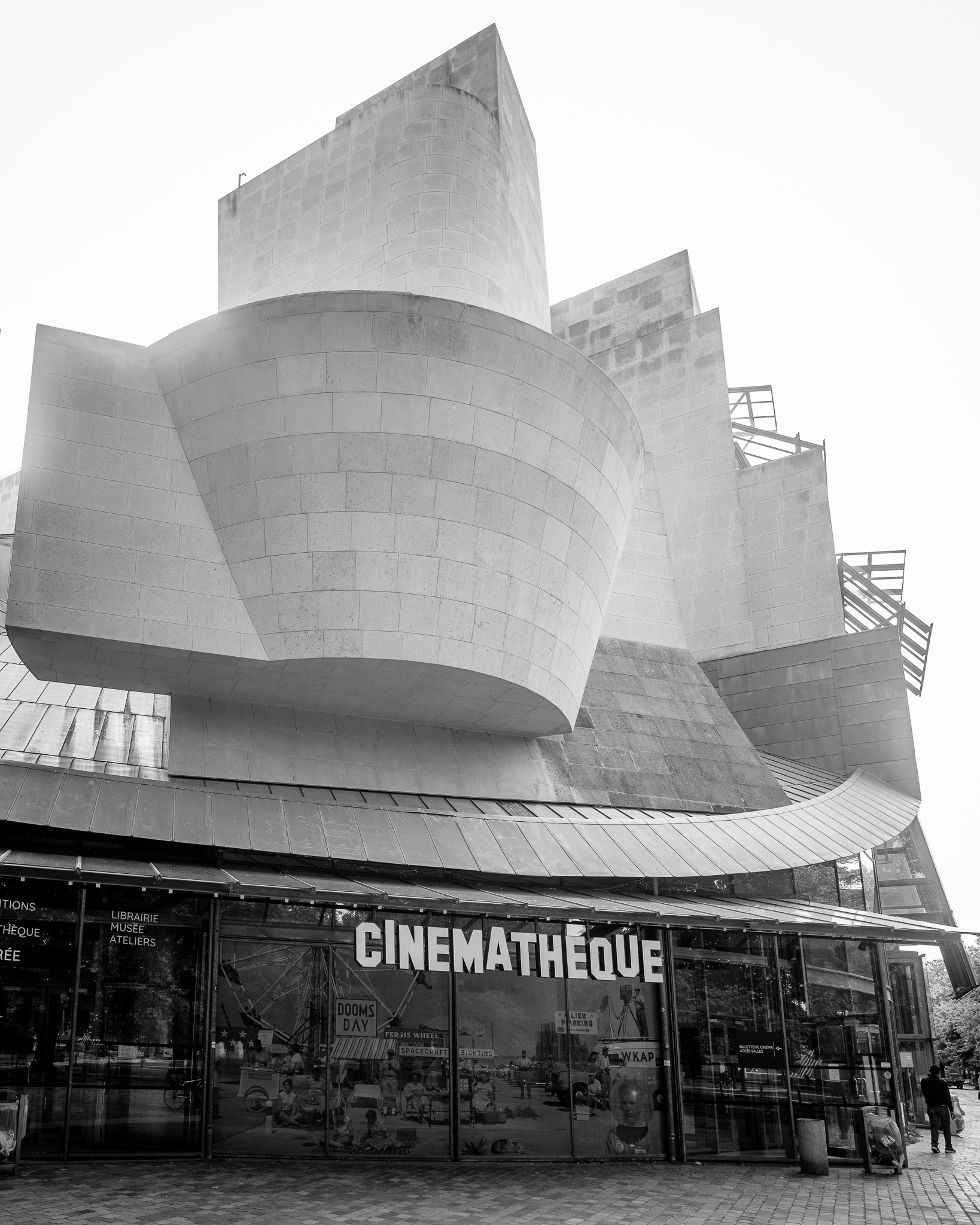
At the eastern edge is Parc de Bercy, with the pyramidal AccorArena and Frank Gehry’s Cinémathèque française.
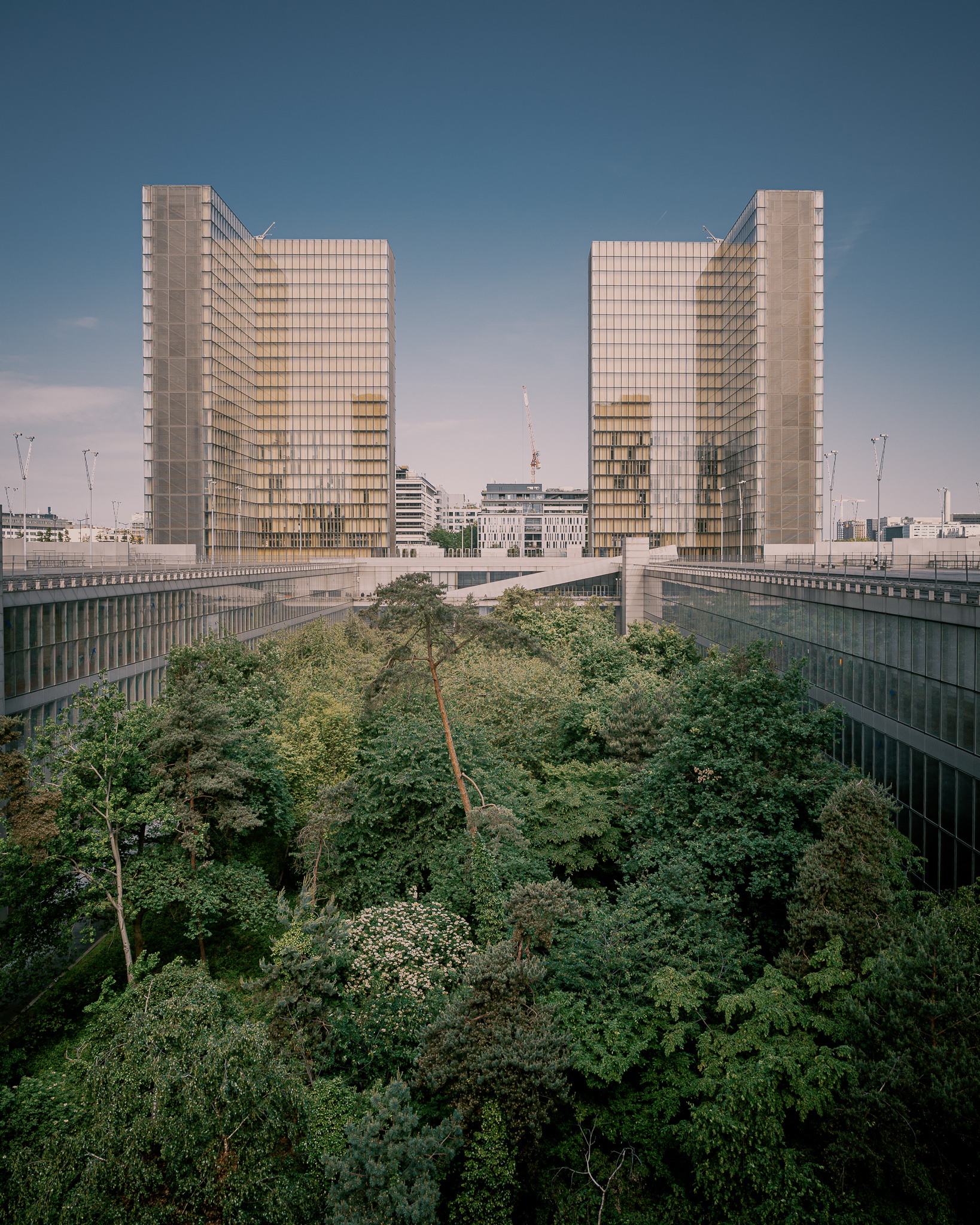
From there I crossed the Seine to the Bibliothèque François‑Mitterrand. A large, almost empty plaza is framed by four L‑shaped buildings meant to evoke open books. In the center lies a sunken garden accessible only through the building. To reach the exhibition I had to descend several floors — and yet I was not in a basement.
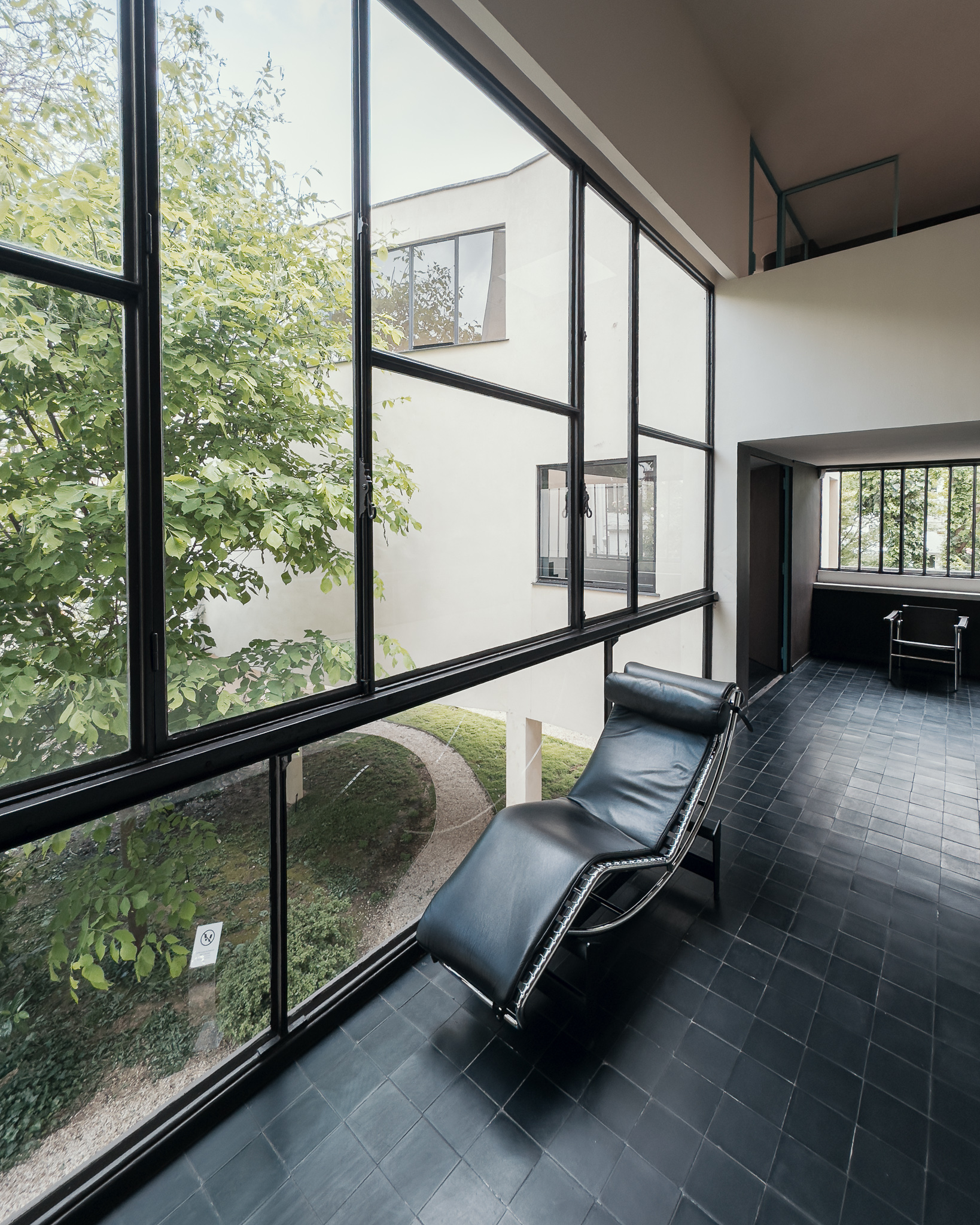
In the upscale west I also found contemporary architecture: amid typical Belle Époque façades stands a simple white building open to the public as a museum — Maison La Roche, one of Le Corbusier’s early works.
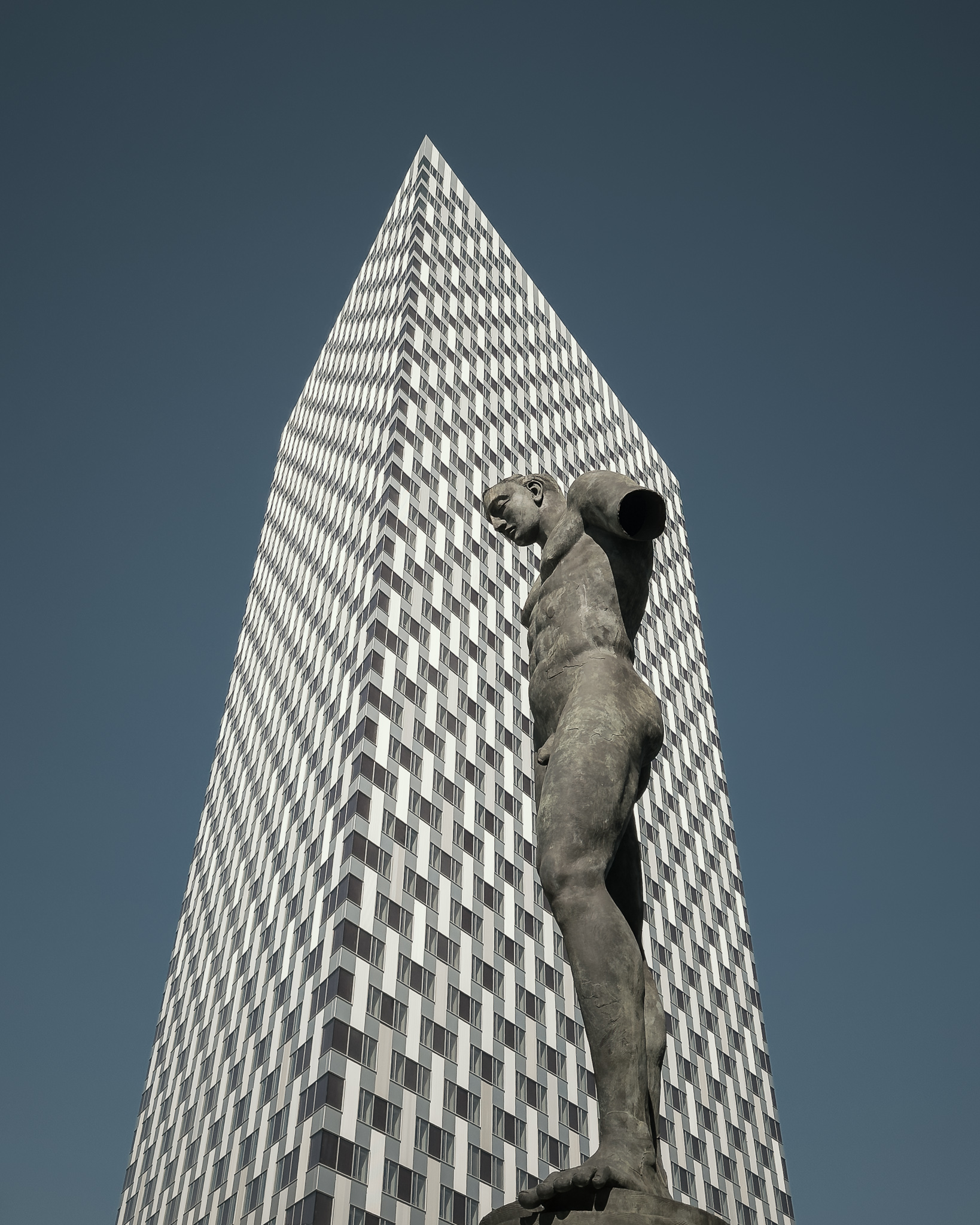
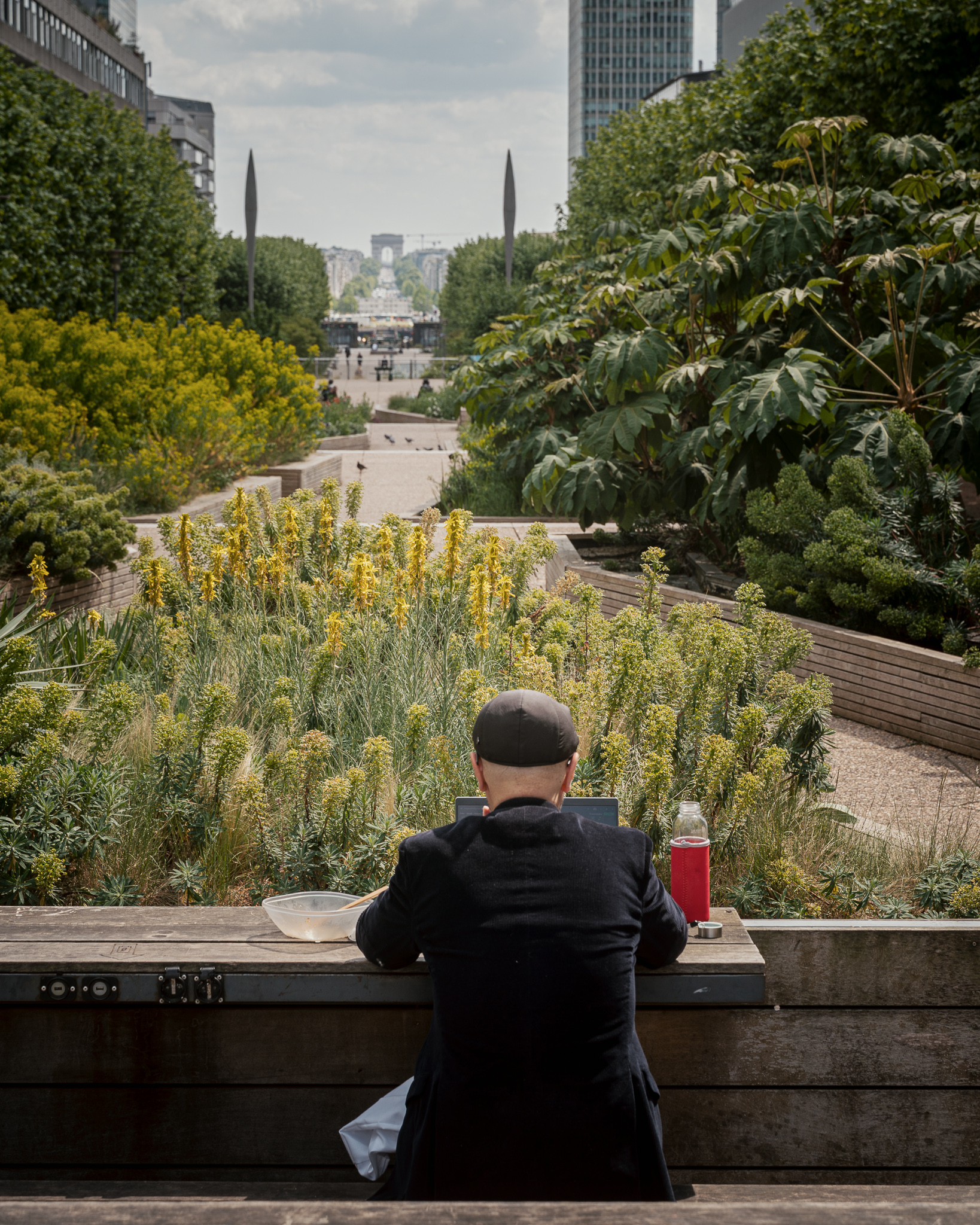
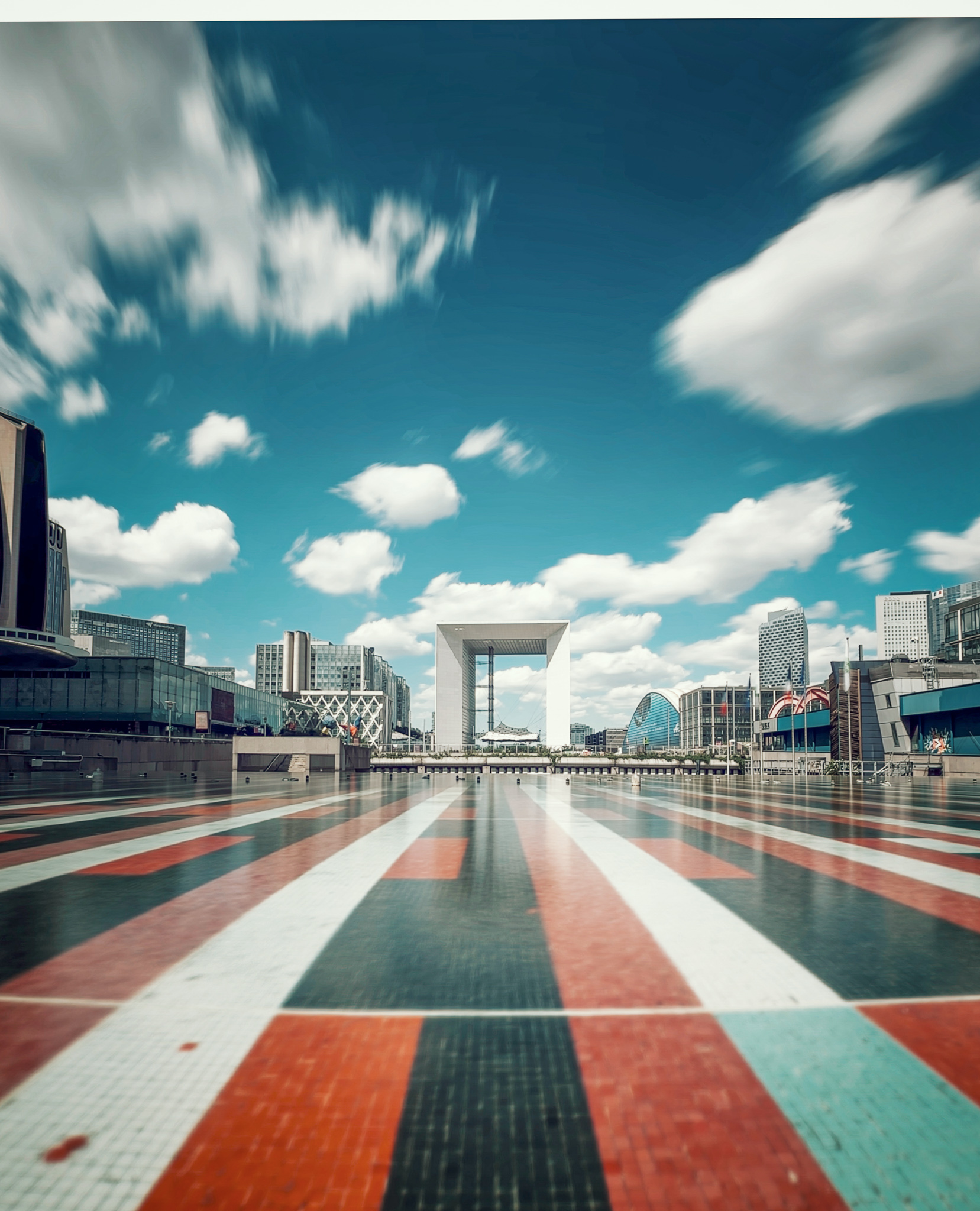
Further west I reached Paris’s epitome of modernity: La Défense, planned from the 1960s and steadily built up with skyscrapers since the 1970s. At its center is the Grande Arche, François Mitterrand’s modern triumphal arch, surrounded by towers of varying heights.
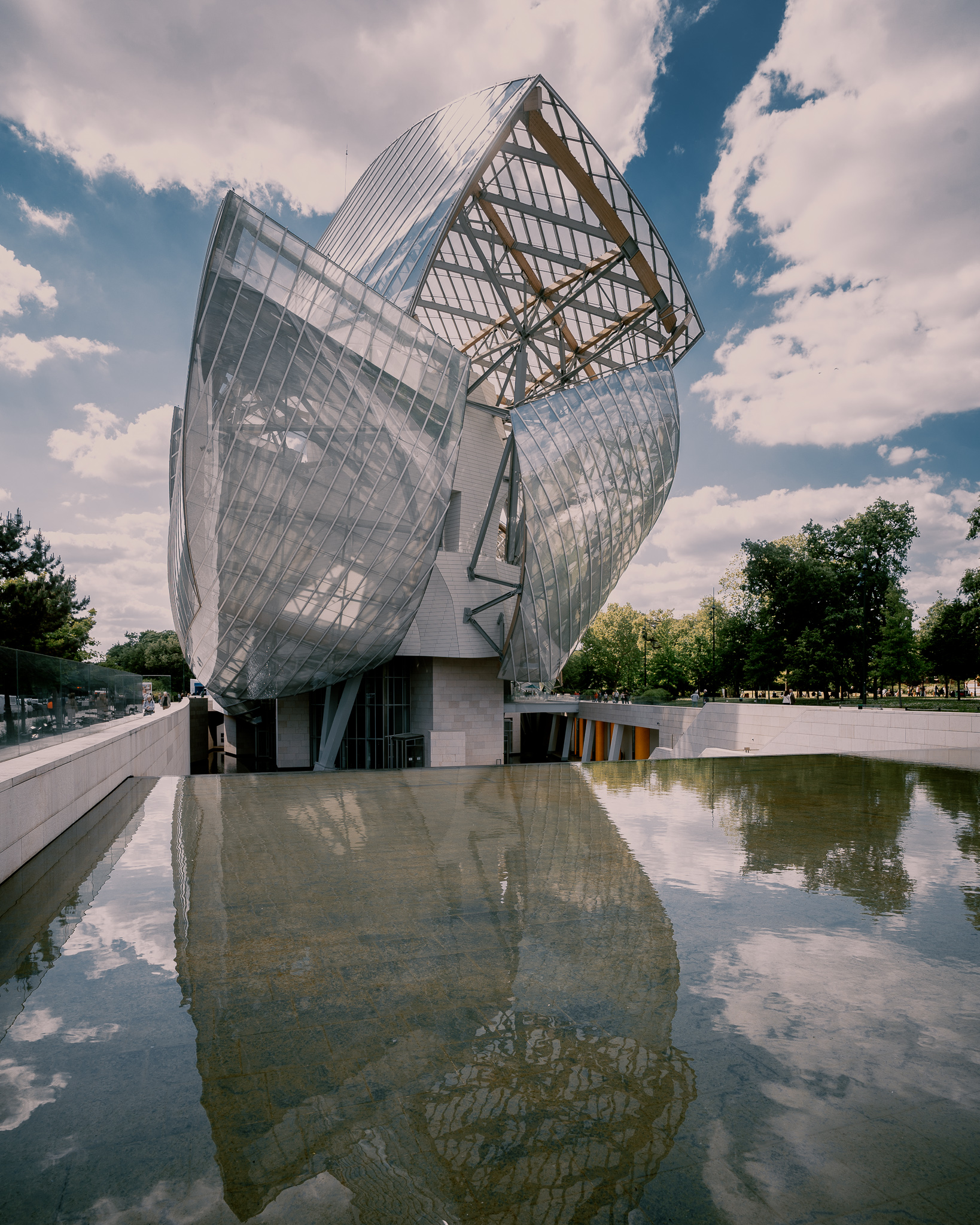
In the middle of the Bois de Boulogne, Louis Vuitton commissioned Frank Gehry to build a deconstructive museum — a structure like an exploded architectural drawing, hosting major contemporary exhibitions on a regular basis.
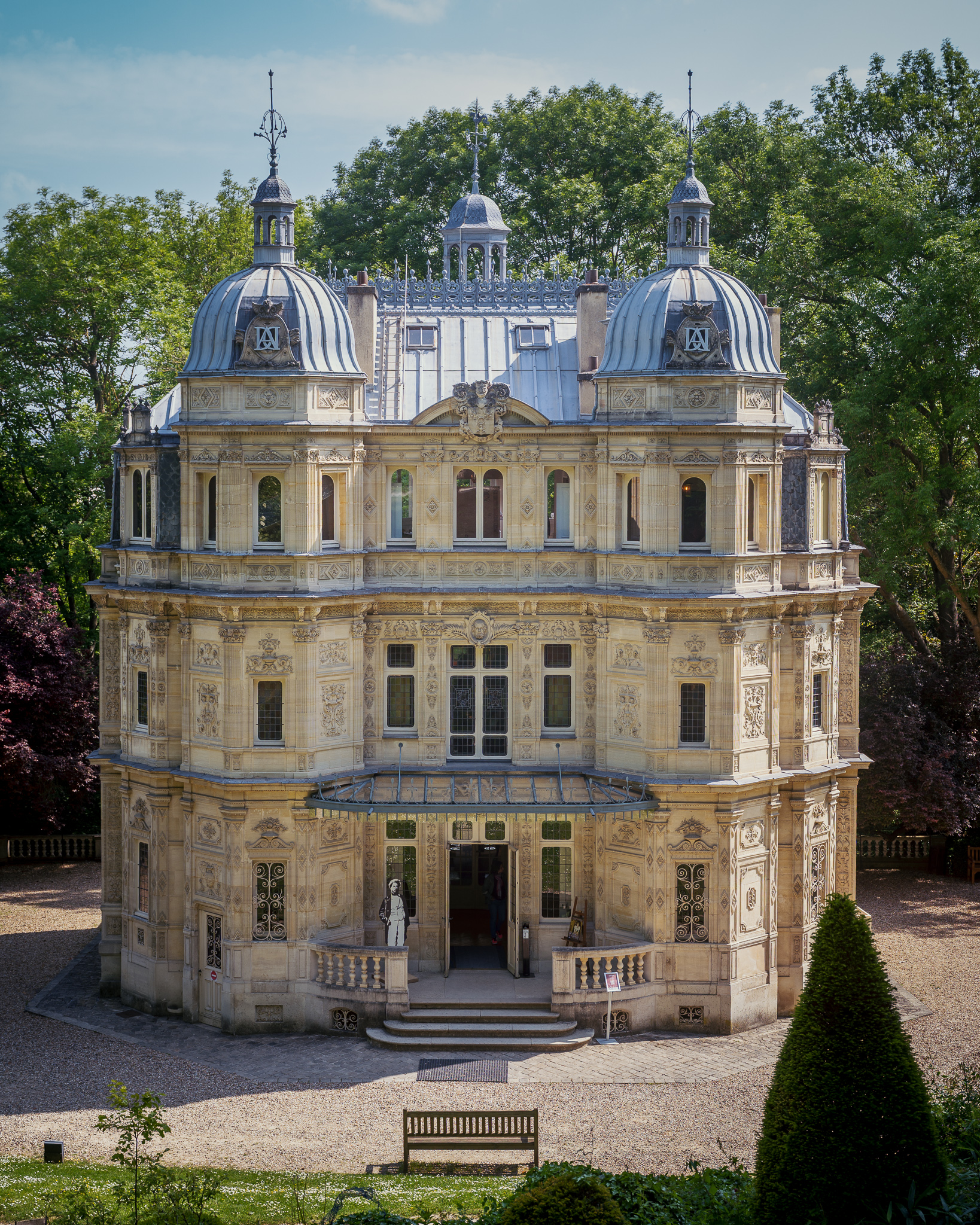
No visit to Paris is complete for me without indulging in the 19th century: I take the regional train to Saint‑Germain‑en‑Laye. There the château and its park are highlights, as is the Château de Monte‑Cristo, which Alexandre Dumas had built in a castle‑like style with an attached study and where he lived for several years.
The result was an intriguing mix that diverted me from the usual routes — and will definitely play a role on my next visits.
Cheers Thomas